The Origins: 1930 in Uruguay
The first FIFA World Cup was held in Uruguay in 1930. It was a modest affair by today's standards, but it marked the beginning of a global sporting phenomenon. The tournament was hosted at the Estadio Gran Parque Central and the newly built Estadio Centenario, which was constructed specifically for the event.
Thirteen nations participated in the inaugural tournament. Uruguay, as the host nation and the defending Olympic champion, was the favorite. They did not disappoint, defeating Argentina 4-2 in the final to claim the first World Cup title.
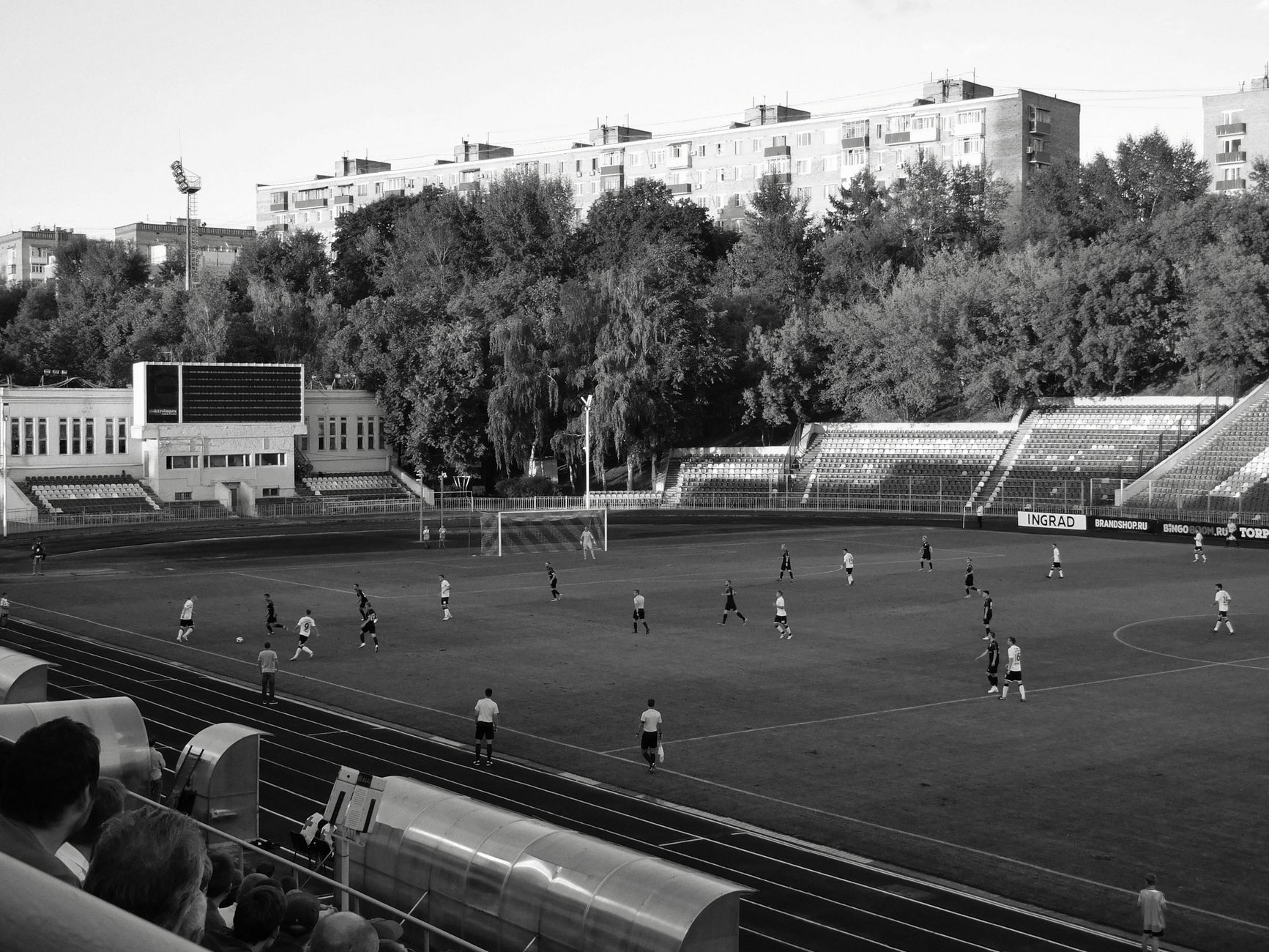
The 1930 World Cup was not just a sporting event; it was a statement of national pride for Uruguay. It demonstrated that even a small nation could host the world's biggest sporting spectacle.
Key Facts About the 2026 FIFA World Cup
As we approach the 2026 FIFA World Cup, it is important to understand the scale and significance of this upcoming tournament. Here are the key facts:
- Host Nations: United States, Mexico, and Canada
- Number of Teams: 48 (expanded from 32)
- Number of Venues: 16 stadiums across the three countries
- Key Venues:
- Arrowhead Stadium (Kansas City, USA)
- AT&T Stadium (Arlington, USA)
- BC Place (Vancouver, Canada)
- BMO Field (Toronto, Canada)
- Estadio Akron (Guadalajara, Mexico)
- NRG Stadium (Houston, USA)
- SoFi Stadium (Los Angeles, USA)
- Levi's Stadium (Santa Clara, USA)
This will be the first World Cup to be hosted by three nations, and it will be the largest in history with 48 teams. The expansion was approved by FIFA in 2017, and the bidding process was highly competitive.
Historical Precedents
Throughout the history of the World Cup, there have been moments of triumph and tragedy. Here is a brief overview of the most significant tournaments:
| Year |
Host Country |
Winner |
Runner-Up |
Notable Fact |
| 1930 |
Uruguay |
Uruguay |
Argentina |
First World Cup ever held |
| 1934 |
Italy |
Italy |
Czechoslovakia |
First World Cup with a knockout format |
| 1938 |
France |
Italy |
Hungary |
Italy became the first team to win two World Cups |
| 1950 |
Brazil |
Uruguay |
Brazil
| Known as the "Maracanazo" — Uruguay's stunning victory over Brazil in the final match
|
| 1954
| Switzerland
| West Germany
| Hungary
| West Germany's miraculous comeback against Hungary in the final
|
| 1958
| Sweden
| Brazil
| Sweden
| 17-year-old Pelé made his World Cup debut
|
| 1962
| Chile
| Brazil
| Czechoslovakia
| Pelé was injured early in the tournament, but Brazil still won
|
| 1966
| England
| England
| West Germany
| England's only World Cup victory to date
|
| 1970
| Mexico
| Brazil
| Italy
Brazil became the first team to win three World Cups and keep the Jules Rimet Cup
|
| 1974
West Germany
West Germany
Netherlands
Introduction of the "Total Football" style by the Netherlands
|
1978
Argentina
Argentina
Netherlands
Argentina's first World Cup win
1982
Spain
Italy
West Germany
Italy's third World Cup title
1986
Mexico
Argentina
West Germany
Marcos's "Hand of God" goal and Diego Maradona's "Goal of the Century"
1990
Italy
West Germany
Argentina
West Germany's third World Cup title
1994
United States
Brazil
Italy
Brazil's fourth World Cup title; penalty shootout final
1998
France
France
Brazil
France's first World Cup win; Zinedine Zidane's two goals in the final
2002
South Korea & Japan
Brazil
Germany
Brazil's fifth World Cup title; Ronaldo's two goals in the final
2006
Germany
Italy
France
Italy's fourth World Cup title; Zinedine Zidane's infamous headbutt
2010
South Africa
Spain
Netherlands
Spain's first World Cup win; first World Cup held on African soil
2014
Brazil
Germany
Argentina
Germany's fourth World Cup title; 7-1 thrashing of Brazil in the semi-finals
2018
Russia
France
Croatia
France's second World Cup title; first World Cup with VAR
2022
Qatar
Argentina
France
Lionel Messi's first World Cup win; first World Cup held in the Middle East
Looking Ahead: 2026
As we approach the 2026 FIFA World Cup, I am reminded of the words of the great strategist Sun Tzu: "Know your enemy and know yourself, and you can fight a hundred battles with no danger of defeat." In the same way, knowing the history of the World Cup allows us to appreciate the magnitude of what is to come.
The 2026 tournament will be a celebration of sport, culture, and international cooperation. It will be a chance for the world to come together and celebrate the beautiful game. As I have said before, every mistake is a lesson, and every victory is a testament to the human spirit.

I invite you to join me in celebrating this historic moment. Together, we can ensure that the 2026 FIFA World Cup will be remembered as one of the greatest sporting events in history.