Spring Herbs
Spring in Hampton brings mild temperatures and increased rainfall, making it ideal for starting many herbs.
Chives (Allium schoenoprasum)

Planting: Start from seed indoors in late winter, transplant outdoors in early spring. Chives prefer well-drained soil and full sun to partial shade.
Harvest: Begin harvesting when plants are 6 inches tall by cutting leaves 1-2 inches above the soil. Regular harvesting encourages new growth.
Usage Tips: Perfect for adding mild onion flavor to salads, soups, and potato dishes. The purple flowers are edible and make a beautiful garnish. Chives contain vitamins A and C, and have antibacterial properties.
Historical Note: Chives have been cultivated in Europe since the Middle Ages and were used in traditional medicine for their digestive benefits.
Parsley (Petroselinum crispum)

Planting: Sow seeds directly in garden after last frost. Parsley germinates slowly (2-3 weeks) and prefers moist, well-drained soil.
Harvest: Harvest outer leaves when plant is 6-8 inches tall. Cut stems at base to encourage bushier growth.
Usage Tips: Essential in Mediterranean cuisine. Flat-leaf parsley is preferred for cooking, while curly parsley makes an excellent garnish. Rich in vitamins K, C, and A. Parsley was used by ancient Greeks as a ceremonial herb.
Cilantro/Coriander (Coriandrum sativum)

Planting: Direct sow in early spring. Cilantro grows quickly and bolts in hot weather. Successive plantings every 2-3 weeks ensure continuous supply.
Harvest: Harvest leaves when plant is 4-6 inches tall. For coriander seeds, allow plant to flower and seed.
Usage Tips: Leaves (cilantro) are essential in Mexican, Indian, and Southeast Asian cuisines. Seeds (coriander) used in spice blends. Cilantro contains antioxidants and may help with digestion. The herb has been used for over 3,000 years.
Summer Herbs
Hampton's hot, humid summers require heat-tolerant herbs and careful water management.
Basil (Ocimum basilicum)
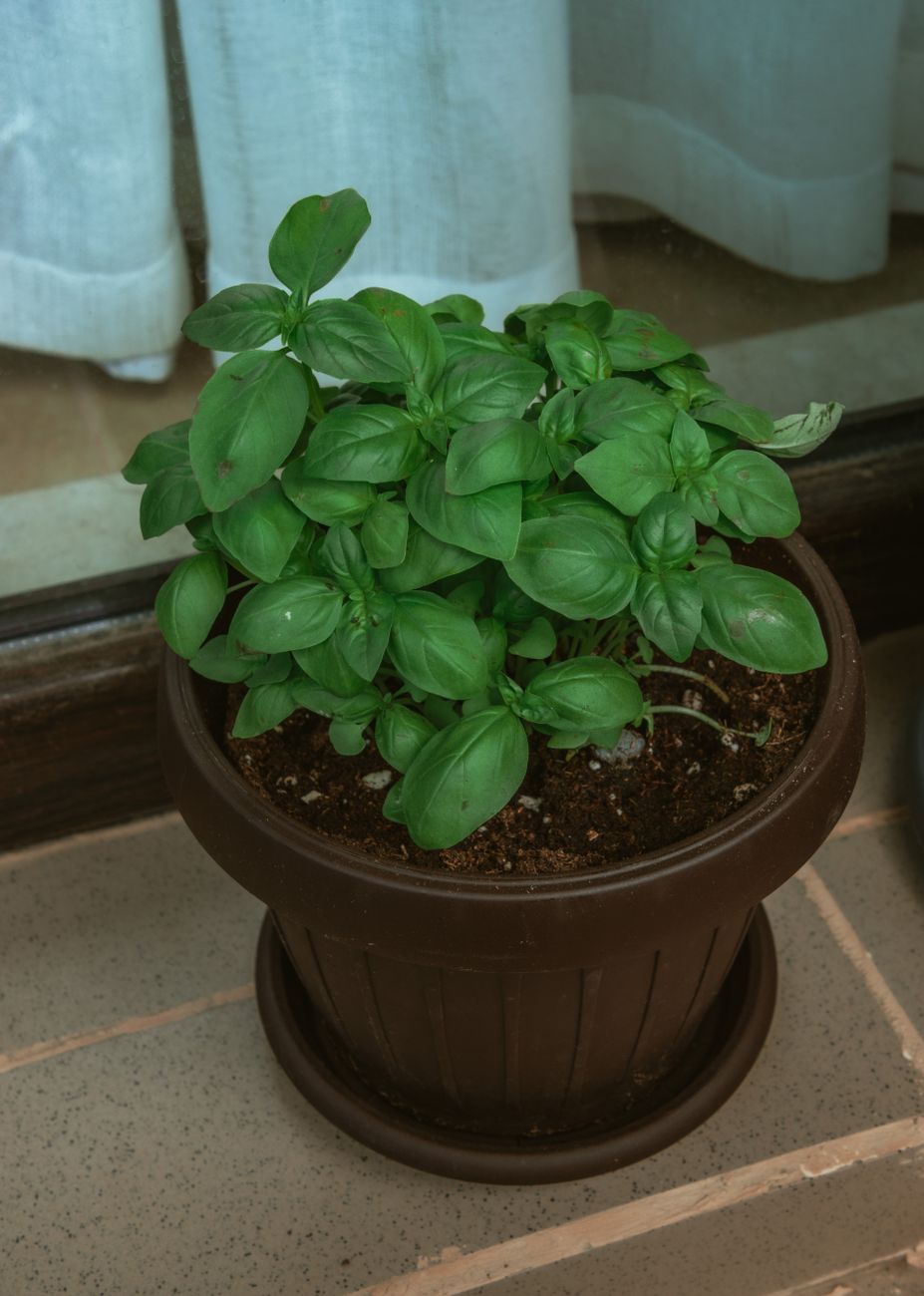
Planting: Plant after all danger of frost has passed. Basil thrives in warm soil (70°F+) and full sun. Space plants 12-18 inches apart.
Harvest: Pinch back stems when plant reaches 6 inches to encourage bushiness. Harvest leaves regularly, but never remove more than 1/3 of plant at once.
Usage Tips: Essential for Italian cuisine, especially pesto. Sweet basil pairs well with tomatoes. Contains vitamins A, K, and C, and has anti-inflammatory properties. Basil was considered sacred in ancient India.
Rosemary (Rosmarinus officinalis)
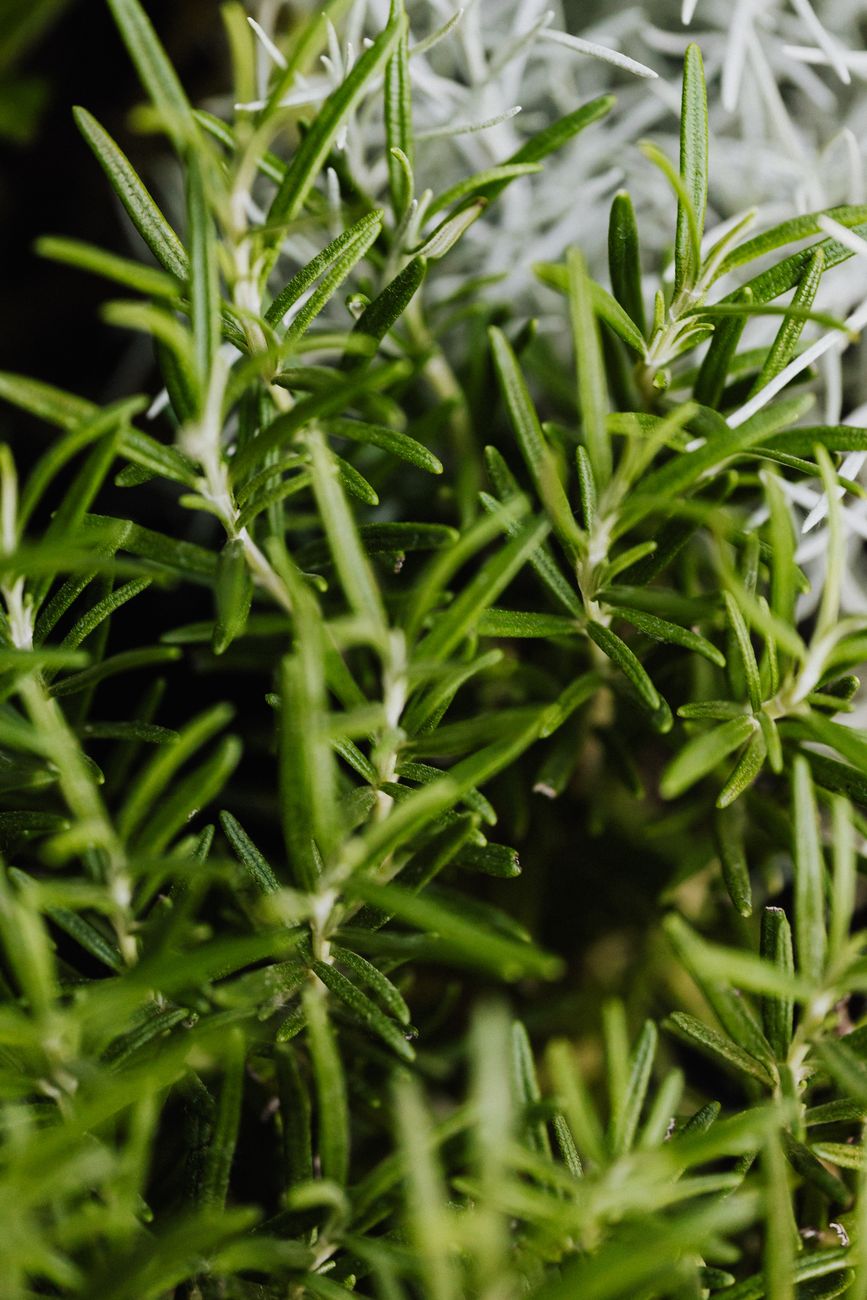
Planting: Plant in spring after last frost. Rosemary prefers well-drained, slightly alkaline soil and full sun. Drought-tolerant once established.
Harvest: Harvest stems as needed throughout growing season. Avoid harvesting more than 1/3 of plant at once.
Usage Tips: Excellent with roasted meats, potatoes, and bread. Rosemary oil is used in aromatherapy for memory enhancement. Contains antioxidants and anti-inflammatory compounds. Ancient Greeks wore rosemary in their hair to improve memory.
Thyme (Thymus vulgaris)

Planting: Plant in early spring. Thyme prefers well-drained, sandy soil and full sun. Drought-tolerant and excellent for rock gardens.
Harvest: Harvest stems as needed. Prune back by 1/3 in early summer to encourage bushiness.
Usage Tips: Essential in French cuisine, particularly in bouquet garni. Pairs well with poultry and fish. Thyme has antiseptic properties and was used in ancient Egypt for embalming.
Fall Herbs
Cooler temperatures and shorter days make fall ideal for many herbs that struggle in summer heat.
Sage (Salvia officinalis)

Planting: Plant in early spring or early fall. Sage prefers well-drained soil and full sun. Established plants are drought-tolerant.
Harvest: Harvest leaves as needed. For drying, harvest just before flowering when flavor is most intense.
Usage Tips: Classic pairing with poultry, especially in holiday stuffing. Sage tea is traditionally used for sore throats. Contains antioxidants and may support cognitive function. Sage was used in medieval medicine for preserving meat.
Dill (Anethum graveolens)

Planting: Direct sow in early spring or late summer for fall harvest. Dill prefers well-drained soil and full sun.
Harvest: Harvest leaves when plant is 8-12 inches tall. For seeds, allow plant to flower and seed heads to turn brown.
Usage Tips: Essential for pickling and pairs well with fish, especially salmon. Dill seeds used in bread and soups. Contains vitamins A and C, and has digestive benefits. Dill was used in ancient Egypt as a protective charm.
Oregano (Origanum vulgare)

Planting: Plant in early spring. Oregano prefers well-drained soil and full sun. Drought-tolerant and spreads readily.
Harvest: Harvest stems when plant is 4-6 inches tall. Prune back after flowering to encourage new growth.
Usage Tips: Foundation of Italian and Greek cuisine. Essential for pizza and pasta sauces. Contains antioxidants and has antimicrobial properties. Oregano was used in ancient Greece as an antiseptic.
Winter Herbs
In Hampton's mild winters, some herbs can be grown year-round with protection.
Bay Laurel (Laurus nobilis)
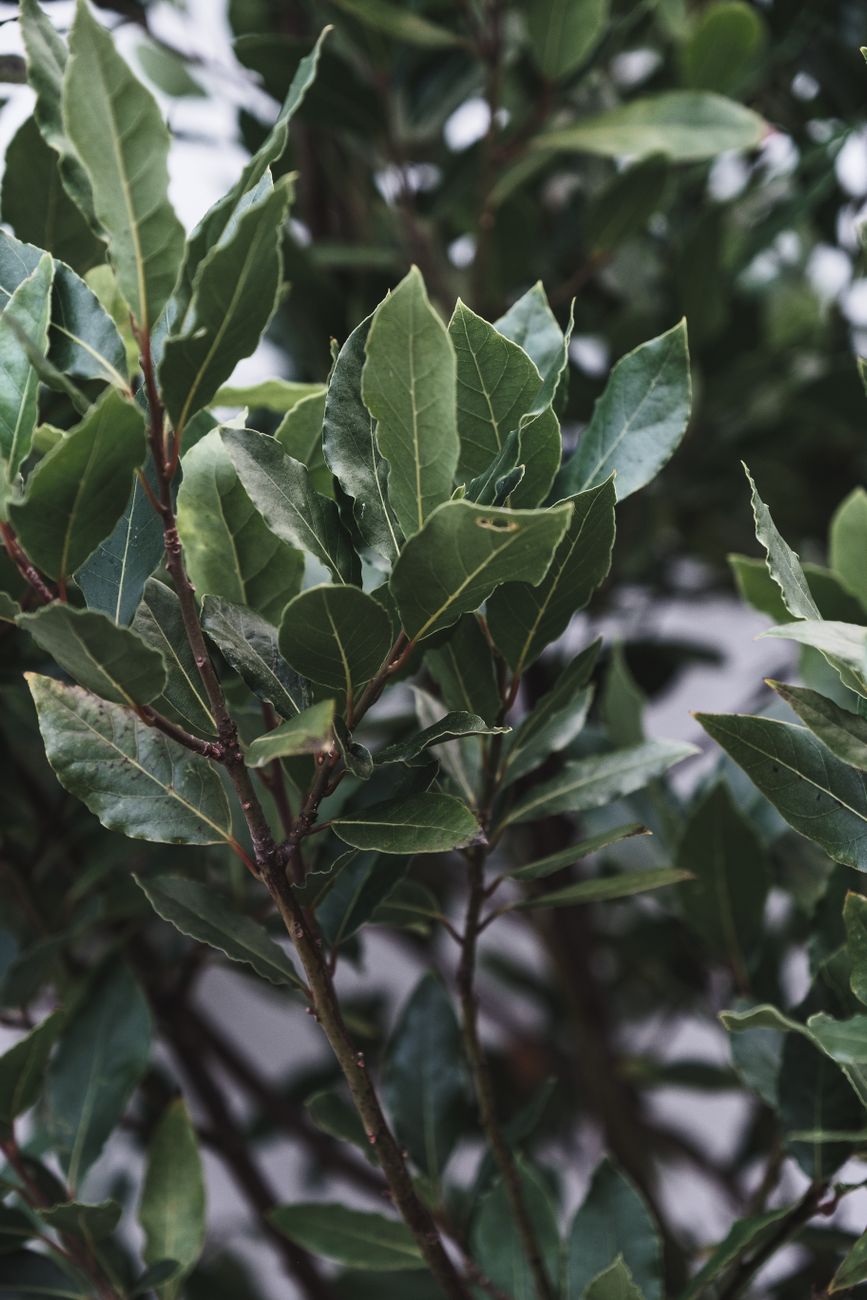
Planting: Plant in containers for overwintering indoors. Bay prefers well-drained soil and full sun to partial shade.
Harvest: Harvest leaves as needed year-round. Prune to maintain shape and size.
Usage Tips: Essential for soups, stews, and sauces. Remove leaf before serving as it can be sharp. Bay leaves contain essential oils with digestive benefits. In ancient Rome, bay wreaths symbolized victory and wisdom.
Mint (Mentha spp.)

Planting: Plant in containers to control spread. Mint prefers moist soil and partial shade. Can be overwintered indoors.
Harvest: Harvest leaves as needed. Regular harvesting prevents flowering and maintains flavor.
Usage Tips: Perfect for teas, cocktails, and desserts. Peppermint and spearmint are most common varieties. Contains menthol which aids digestion. Mint was used in ancient Egypt as a digestive aid and in burial rituals.
Herb Garden Planning Tips
As a retired business administrator, I approach herb gardening with the same strategic planning I used in my professional life:
- Location: Most herbs require 6-8 hours of sunlight daily. South-facing gardens are ideal in Hampton.
- Soil Preparation: Well-drained soil is crucial. Amend with compost and ensure proper drainage to prevent root rot.
- Water Management: Herbs generally prefer drier conditions. Use drip irrigation for efficient watering and to prevent fungal diseases.
- Companion Planting: Basil with tomatoes, rosemary with cabbage, and dill with lettuce create beneficial relationships.
- Record Keeping: Maintain a garden journal tracking planting dates, harvest yields, and any issues. This data helps refine your approach each season.
Preservation Methods
To enjoy your herbs year-round:
- Drying: Air dry in bundles or use a dehydrator at low temperature (95°F).
- Freezing: Chop herbs and freeze in ice cube trays with water or olive oil.
- Herb-Infused Oils: Combine herbs with olive oil and heat gently. Store in refrigerator.
- Herb Vinegars: Steep herbs in vinegar for 2-4 weeks. Excellent for salad dressings.
References and Further Reading
For those interested in deeper study:
Hampton, Virginia is in USDA Hardiness Zone 8a, which allows for year-round gardening with proper planning.